Our Favorite Homeschool Geography Resources (And How We Use Them)
Looking for homeschool geography resources? Here are our favorite books, hands-on tools, and map activities for exploring the world together.
When families ask how we use the Global Explorers Club curriculum in our home, one question sometimes pops up:
“Do I need a bunch of extra resources to make this work?”
The short answer? No.
Our unit studies are designed to stand on their own. You can absolutely use what you already have at home, borrow from your local library, or take advantage of the recommended online resources.
That said, over the years, there are a handful of books and tools we return to again and again. They live on our shelves. They come out during nearly every country study. They’re not required, but they’ve become part of our rhythm as we explore the world together.
Today I’m sharing our most loved geography & culture reference books and learning tools, along with some encouragement to substitute freely based on what works for your family.
Geography Books & Cultural Resources We Love
DISCLOSURE: THIS POST CONTAINS AFFILIATE LINKS AT NO COST TO YOU. THIS MEANS I MAY RECEIVE A SMALL COMMISSION IF YOU MAKE A PURCHASE USING THESE LINKS.
Our Favorite Geography Reference Books
DK’s Countries of the World: Our World in Pictures
DK’s Countries of the World is one of our most-used geography reference books. It’s colorful, visual, and easy for children to navigate independently. The layout provides just enough information to build some context and pique curiosity without overwhelming younger learners.

When we begin a new country study, we typically:
- Read the short country overview
- Look closely at the information box (population, capital, language, etc.)
- Examine the map and discuss location
- Study the photographs and talk about what we notice
It serves as our starting point before we move into living books, notebooking, mapwork, and hands-on cultural activities.

Although no single book can fully capture the complexity of a country’s history, culture, geography, and people, Countries of the World offers a strong starting point before we dive deeper into our selected country study.

Alternatives: Any children’s world atlas or country encyclopedia works beautifully here. You can also use Google Earth to explore maps, terrain, and satellite views in an interactive way.
The Flag Book
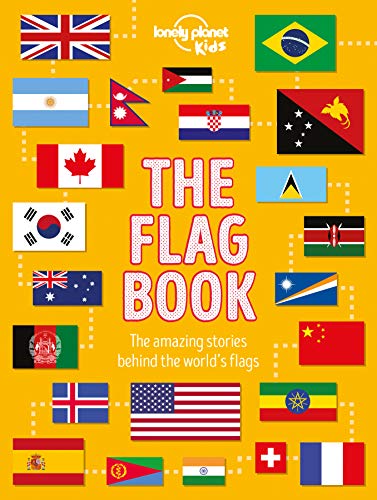
We love using The Flag Book alongside our country studies.
Flags are such a simple but powerful way to build familiarity with the world. Children naturally begin recognizing patterns such as colors, symbols, shapes and comparing regions.
This pairs especially well with:
- The Global Explorers Journal
- Passport activities
- Flag sticker books
Alternatives: Printable flag cards, a world flag poster, or even a quick online search can accomplish the same goal.

Our Favorite Cultural Learning Resources
This Is My World: Meet 84 Kids from Around the Globe
This Is My World: Meet 84 Kids from Around the Globe is a great way to bring real global voices into your homeschool days.
In this book, 84 children from more than 70 countries share snapshots of their lives, from favorite foods and hobbies to what it’s like to live where they do. It’s a great way for students to connect personally with the people behind the places we study.
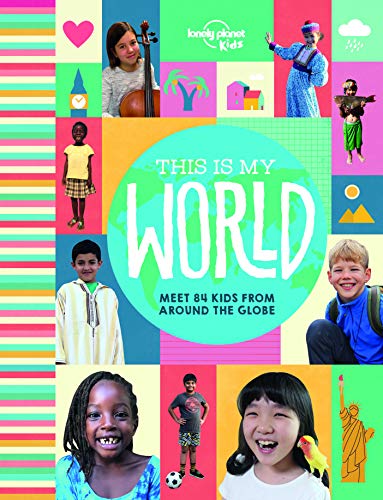
I especially love that each child is asked to describe themselves using three words. After reading a profile, I often pause and ask, “What three words would you choose to describe yourself this week?”
This simple prompt pairs wonderfully with our character education discussions and naturally connects geography to identity, virtue, and personal reflection.
The only “downside”? My kids never want to stop at just one profile. What begins as “Let’s read about one country” quickly turns into flipping through half the book. It’s the kind of resource that naturally sparks curiosity among kids and keeps them asking for more.
Alternatives: Any book that shares personal stories from around the world, a global pen pal project, or even kid-focused cultural profiles from your library can serve a similar purpose in your homeschool geography studies.
Cooking Class: Global Feast
Food is one of the most meaningful ways to connect with other cultures. Cooking Class: Global Feast! gives us approachable recipes from around the world that children can easily help prepare.

I love the colorful, step-by-step photographs included for each recipe, along with the fun “extras” included at the back of the book.

Alternatives: library cookbooks, family recipes, YouTube cooking tutorials, or just some simple regional snack ideas.
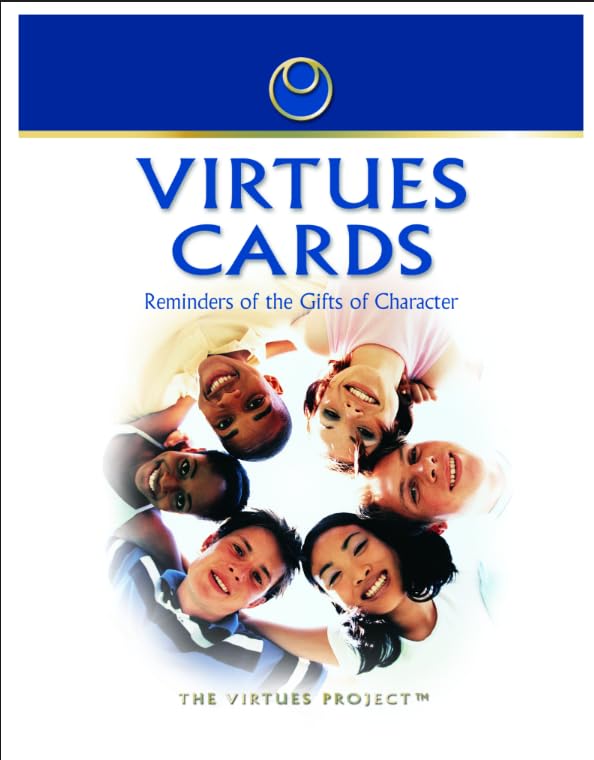
The Virtues Project Educator’s Cards
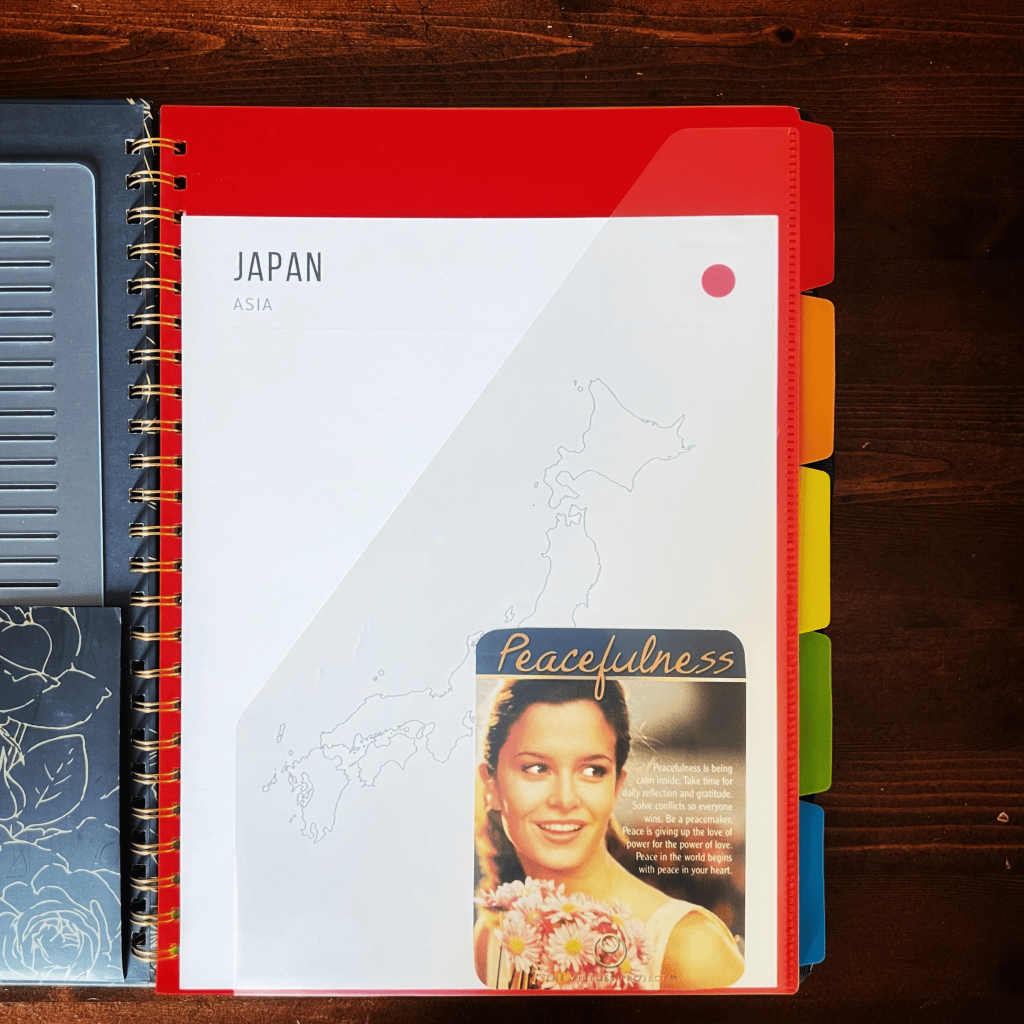
Based on Maria Montessori’s cultural studies component, we pair each of our country studies with character education. I like to use the Virtues Project Educator’s Cards. They help us:
- Introduce a virtue
- Discuss real-life scenarios
- Connect virtues to stories and folk tales we’re reading
- Practice affirmations together
We often use the affirmations as copywork or journaling prompts each week.
This focus on character education keeps our geography studies rooted in humanity, not just information. As I help my children explore different countries and cultures, I want them to grow in empathy, wisdom, and responsibility, not just knowledge.
We continually ask ourselves:
- How can we become good global citizens?
- What virtues matter most in our world?
- Am I being a good steward of the world I’ve been given?
I want my children to know that geography is not only about where people live; it also encompasses how we live alongside one another and share this world with care and respect.

Hands-On Geography Tools for Kids
Passport Books & Flag Stickers
We use simple passport-style booklets with flag stickers to mark the countries we “visit.” It’s an easy way to document our journey and record favorite moments and small facts or tidbits they’ve learned along the way.
But truly? A notebook works just as well. It doesn’t need to be fancy.

Global Kids: 50+ Games, Crafts, Recipes & More from Around the World
Global Kids: 50+ Games, Crafts, Recipes & More from Around the World is one of my favorite supplements to homeschool geography.
If you’re looking for a simple, laid-back resource to enrich your world geography studies without investing in a full curriculum, this activity deck is a wonderful option.
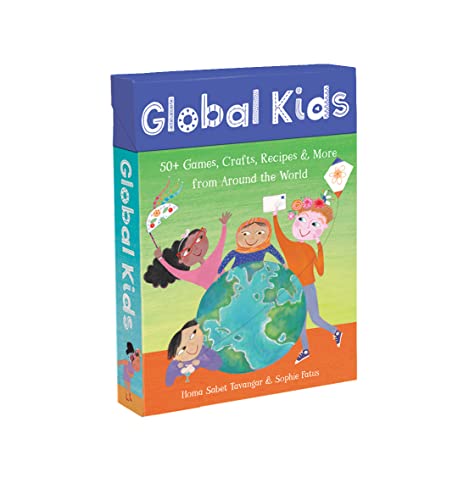
It offers approachable, low-prep ideas that make cultural activities feel accessible and fun.

Geography Map Games & Drills (Including Free Online Practice)
We also use Seterra as a simple way to reinforce map skills.
While Seterra is mostly known for its free online geography quizzes and map games, I actually like to print blank continent maps and turn map review into hands-on drill games using our own laminated copies.
We use a directional die, plastic tokens, and even old Monopoly pieces to “race” across countries on our printed maps. Sometimes we call out locations and move north, south, east, or west. Other times we’ll play simple map drills that grow progressively more challenging as we study additional countries within each continent.
One of our favorite memory tricks came from Island Treasures: Growing Up in Cuba by Alma Flor Ada. In her beautifully written memoir, she describes Cuba as looking like an alligator. My youngest daughter never forgot that comparison and soon began inventing her own shape comparisons for other countries we studied.
Alternatives: Any blank outline maps or geography placemats, printable geography quizzes, or even hand-drawn maps can accomplish the same goal.
A Few Just-for-Fun Extras
These aren’t essential to our homeschool geography studies, but they’re fun to include as supplemental activities – especially if your children enjoy drawing, coloring, and creating!
Wondrous Workings of Science and Nature Coloring Book
The Wondrous Workings of Science and Nature Coloring Book by Rachel Ignotofsky is a great book to use alongside your study of ecosystems around the world. If you have multiple children, it’s easy to make copies of each line drawing and so everyone can work on the same page at their own pace.
It’s an easy way to reinforce science concepts while keeping hands busy and is especially helpful during read-aloud time or on slower afternoons when you want something enriching, yet simple.
This Is How I Do It: One Day in the Life of You and 59 Real Kids from Around the World by Matt Lamothe offers another window into daily life around the world. It’s especially nice for younger children who enjoy journaling and drawing. The prompts invite children to compare their day with children in different countries (what they eat, how they get to school, what they wear, how they spend their free time, etc.).
Final Thoughts
If you take nothing else from this post, let it be this: You do not need a shelf full of extras to explore the world well. A library card, a map or a globe, a few good books, and a sense of curiosity and wonder are more than enough.
These are simply the resources we return to because they’ve become part of our family’s rhythm. Use what you have. Substitute freely. Follow your children’s curiosity.
Remember, the goal isn’t collecting resources.
The goal is to have fun learning and exploring together.
If you’re ever feeling stuck or overwhelmed, remember that you don’t need to do everything. Choose one country, one book, one small activity, and begin there.
And if you ever need guidance, encouragement, or simply a place to start, you’re always welcome to reach out. I’m happy to help you think through ideas or point you toward resources that fit your family best. You don’t have to navigate your homeschooling journey alone.
the global explorers club
Where Will You Explore First?
Explore our complete collection of literature-based geography and culture unit studies. From hands-on art projects to global games and recipes, our curriculum makes learning an adventure for all ages.